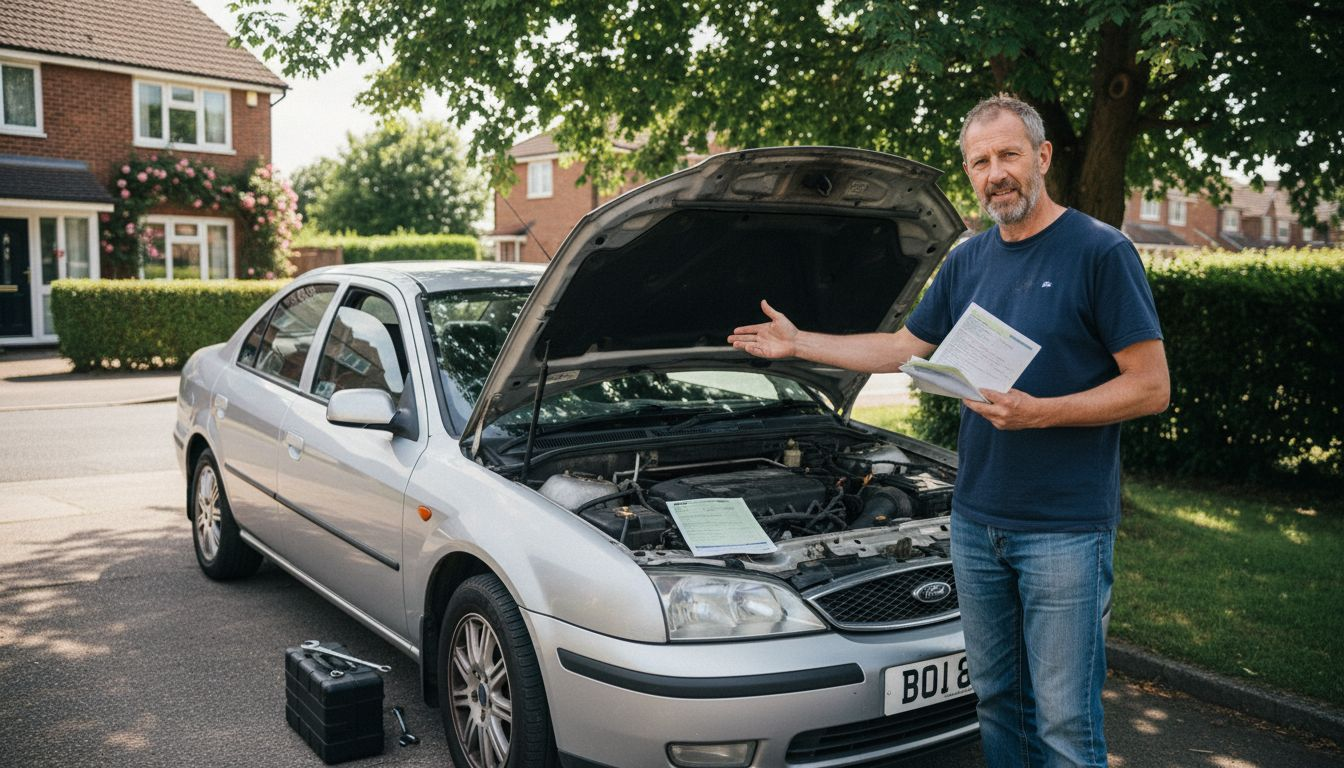
Many British car owners know the stress of dealing with a vehicle that refuses to start or has suffered serious engine problems. Sorting out what to do next is often confusing, especially when you just want a simple, fee-free way to sell your damaged car. This guide reveals how a
transparent, step-by-step approach can help you gather trusted documentation, prepare your car honestly, connect with specialised buyers, and complete the sale without unnecessary complications.
Table of Contents
Step 1: Assess Your Car's Engine Failure And Gather Documents
Step 2: Prepare Your Car For A Smooth Sale
Step 3: Find The Right Buyer For Engine Failure Vehicles
Step 4: Negotiate And Confirm The Sale Terms
Step 5: Arrange Free Collection And Complete The Transfer
Quick Summary
| Key Point |
Explanation |
| 1. Assess Engine Damage Early |
Understanding the engine's condition is crucial for a transparent sale and thorough documentation. |
| 2. Gather All Necessary Documents |
Compile vital paperwork such as the vehicle title and identification to facilitate the legal transfer. |
| 3. Target Specific Buyer Markets |
Focus on buyers who value cars with engine issues, like online specialist buyers, enthusiasts and mechanics, to find interested parties. |
| 4. Negotiate with Transparency |
Be honest about the mechanical problems and set a realistic price, ensuring all terms are documented. |
| 5. Complete Legal Requirements Diligently |
Arrange the necessary documentation for the vehicle transfer and ensure the release of liability to avoid future issues. |
Step 1: Assess Your Car’s Engine Failure and Gather the Necessary Documents
When selling a car with engine failure in the UK, your first priority should be understanding the extent of the damage and preparing the relevant documentation. This initial step ensures you're accurately representing the vehicle’s condition and makes the sales process smoother and more transparent.
Start by carrying out a thorough assessment of your car’s engine issues. It’s helpful to take a methodical approach, especially if you intend to explain the problem to potential buyers or include it in your online listing. Key details to note include:
-
The exact nature of the engine failure (e.g. blown head gasket, seized engine)
-
When the issue first appeared
-
Results from any diagnostic tests
-
Repairs attempted and their costs
-
Notable symptoms (e.g. knocking, smoking, overheating, or total failure)
Once the assessment is complete, gather all the documents required to legally sell a car in the UK. These typically include:
-
The V5C logbook (vehicle registration document)
-
MOT certificate (if applicable)
-
Full or partial service history
-
Any repair invoices or diagnostic reports
-
A valid form of photo ID (for both buyer and seller if required)
Being honest about the engine failure in your description and paperwork will help build trust with potential buyers and protect you from future liability.
Accurate documentation is your strongest asset when selling a car with mechanical issues.
Helpful hint: Take clear, well-lit photographs of your engine and accompanying documentation to provide potential buyers with complete transparency about the vehicle's condition.

Step 2: Prepare your car for a smooth sale
Preparing a car with engine failure for sale requires strategic planning and transparency. Your goal is to present the vehicle honestly while maximising its potential value, despite its mechanical challenges.
Vehicle inspection techniques recommend thoroughly documenting your car's condition before listing it for sale. This involves gathering comprehensive information about its mechanical state, including:
- Complete service history records
- Previous repair documentation
- Detailed description of current engine failure
- Estimated repair costs
- Original purchase documentation
Your preparation should focus on creating a transparent and trustworthy presentation for potential buyers. This means being upfront about the engine issues while highlighting any remaining value in the vehicle. Consider obtaining a professional mechanic's assessment to provide potential buyers with an objective evaluation of the car's condition.
Honesty and detailed documentation are your most powerful tools when selling a car with mechanical problems.
Compile all relevant paperwork neatly, ensuring documents are clean, organised, and easily reviewable. This demonstrates professionalism and builds confidence with potential buyers who might be interested in purchasing a vehicle for parts or potential restoration.
Helpful hint: Create a comprehensive folder with all vehicle documentation, including a clear, written explanation of the engine failure to help potential buyers understand the exact condition of your car.
Step 3: Find the Right Buyer for a Car with Engine Failure
Selling a car with engine failure in the UK means targeting buyers who understand the value of a vehicle beyond its current mechanical issues. Your goal is to connect with individuals and organisations that specialise in purchasing vehicles with major engine problems.
There are several types of buyers in the UK who may be interested in cars with engine failure, including:
- Online non-runner car buying specialists
- Vehicle auction platforms
- Car enthusiasts and restorers looking for project vehicles
- Mechanics or garages in need of spare parts
- Scrap metal dealers and vehicle recyclers
- Colleges or training centres that run automotive repair programmes
- Budget-conscious individuals seeking affordable fixer-uppers
Be honest and detailed in your car listing. Clearly explain the engine failure, any repair attempts, and include supporting documents or diagnostic reports. While the engine may be beyond repair, other elements like the bodywork, interior, or electronics could still be valuable.
Remember, one person’s problem vehicle could be another’s perfect project.
There are two main selling channels for cars with engine failure:
| Selling Channel |
Expected Speed |
Overall Convenience |
| Specialist websites and auctions |
Quick turnover |
Minimal paperwork, fast sale |
| Private listing marketplace |
Slower process |
Requires negotiation, more effort |
Here is a summary of private buyer types for vehicles with engine failure:
| Buyer Type |
Primary Motivation |
Likely Offer Value |
| Car restoration enthusiast |
Project car, restoration goal |
May pay slightly higher |
| Mechanic or garage owner |
Sourcing parts, repairable use |
Moderate, market-based |
| Scrap or recycling business |
Metal value, breaking for spares |
Lowest, based on weight |
| Training programme facilitator |
Educational demonstration |
Lower, but fairly consistent |
| Budget-conscious private buyer |
Bargain, potential repair |
Variable, often conservative |
Helpful hint: Prepare a detailed, honest description of your car's condition and potential, as this transparency will attract serious buyers who appreciate straightforward communication.
Step 4: Negotiate and confirm the sale terms
Negotiating the sale of a car with engine failure requires a strategic approach that balances transparency with realistic expectations. Your primary goal is to secure a fair transaction that reflects the vehicle's actual condition while maintaining professional communication.
Vehicle sale negotiation techniques emphasise the importance of clear communication and setting realistic price expectations. When discussing the sale, be prepared to navigate the negotiation with these key strategies:
- Research the market value for damaged vehicles
- Set a realistic minimum acceptable price
- Clearly document the exact condition of the engine
- Be prepared to provide comprehensive repair history
- Understand the potential value of parts and scrap metal
During negotiations, focus on total transparency about the vehicle's mechanical issues. Potential buyers will appreciate an honest, detailed explanation of the engine's condition, including any diagnostic reports or repair attempts you've already made.
Honesty and clear communication are your most valuable negotiation tools when selling a vehicle with mechanical challenges.
Ensure all agreed terms are documented in writing, including the final sale price, any additional agreements about vehicle removal, and the exact condition of the car. This protects both you and the buyer from potential misunderstandings.
Helpful hint: Always have a predetermined walk-away price in mind, and be prepared to pause negotiations if the offered terms do not meet your minimum acceptable conditions.
Step 5: Arrange Free Collection and Complete the Transfer
The final step in selling a car with engine failure in the UK is ensuring the smooth transfer of ownership and arranging for the vehicle to be collected. This stage is essential to protect yourself legally and financially, while making the process as hassle-free as possible.
Start by preparing the necessary paperwork to legally transfer the vehicle:
-
V5C logbook (vehicle registration certificate) – You’ll need to complete Section 6 with the buyer’s details and sign Section 8.
-
V5C/2 (new keeper slip) – This should be given to the buyer for their records.
-
Receipt or bill of sale – It’s a good idea to draw up a simple receipt including the date, sale price, vehicle details, and a statement that the car is sold as seen, especially if it’s sold with a known engine fault.
-
Photo ID (optional but recommended) – For both you and the buyer for added transparency.
Once the V5C is updated and sent to the DVLA, you’ll no longer be liable for the vehicle. You can also inform the DVLA online, which is faster and provides immediate confirmation.
It’s important to be honest about the car’s non-running status when arranging collection. Many professional car-buying services including Sell The Car, offer free nationwide collection, even for cars that can’t be driven. This makes the process simple, especially if the car is stuck at home, in a garage, or even at a mechanic’s.
By working with a reputable buyer, you avoid the stress of transporting the car yourself or dealing with unreliable collection arrangements. Just ensure everything is agreed in writing, and that the vehicle’s status is understood before pickup.
Finally, cancel your car insurance once the vehicle has been collected and the transfer is complete. If your road tax is still valid, you can request a refund from the DVLA for any full remaining months.
In summary, completing the sale of your non-runner involves straightforward paperwork and a bit of organisation but with free collection and a clear transfer of ownership, you can confidently say goodbye to your old car without the stress.
Helpful hint: Take photographs of the vehicle and all transfer documents as a personal record, providing an additional layer of protection in case of future disputes.
Sell Your Car with Engine Failure Quickly and Easily
Facing the challenge of selling a car with engine failure can feel overwhelming whether you worry about buyers, paperwork, or repair costs. You want a fair price, no hidden hassles and a smooth process. This article highlights key pain points like accurate documentation, finding the right buyer, and arranging free collection. At SellTheCar.co.uk, we understand these struggles well because since 2009 we have specialised in buying damaged and non-runner cars — offering a truly hassle-free experience with no haggling and no hidden charges.
If you are looking to
sell your car with engine failure fast while avoiding time-consuming negotiations and complicated legal steps then visit Sell The Car. Benefit from our transparent process, free nationwide collection, and instant competitive offers. Don’t let engine issues hold you back from getting the best deal today. Start your easy sale now at
https://sellthecar.co.uk and turn your broken car into cash immediately.
Frequently Asked Questions
What should I assess before selling a car with engine failure?
To effectively sell a car with engine failure, begin by evaluating the engine's condition and gathering crucial documents. Compile details about the engine issues, diagnostic results, and repair attempts, along with the original vehicle title and bill of sale.
How do I prepare my car for a fast sale if it has engine failure?
Preparing your car involves being transparent about its mechanical issues while highlighting any remaining value. Gather and organise all service records, detailed descriptions of the engine failure, and estimated repair costs to create a comprehensive presentation for potential buyers.
Who are the best potential buyers for a car with engine failure?
Target buyers who see value in cars with engine problems, such as specialist online non-runner car buyers, car restoration enthusiasts, mechanics, and scrap businesses. Reach out to specialised auction platforms and local automotive networks to find individuals interested in purchasing vehicles for parts or restoration.
How can I negotiate the sale of a car with engine failure?
Negotiation should focus on transparency regarding the vehicle's condition and setting a realistic price based on market research. Document the engine's exact condition and be ready to discuss repair history and potential value to facilitate open communication with the buyer.
What paperwork is required to complete the sale of a car with engine failure in the UK?
To legally sell a car with engine failure in the UK, you’ll need to complete and submit the correct documents. The most important is the V5C logbook (vehicle registration certificate), where you must fill in the new keeper details and send it to the DVLA. You should also give the V5C/2 (new keeper slip) to the buyer. It’s advisable to provide a bill of sale or receipt outlining the sale date, vehicle details, sale price, and the fact that the car is sold as seen. Completing these steps ensures a smooth and legal transfer of ownership.
How can I arrange for the collection of my car with engine failure?
Coordinate vehicle collection by arranging a service that offers free collection for non-operational vehicles. Make sure the buyer is aware of the car's status and any conditions for its removal to ensure a hassle-free process.
Recommended